Signs It’s Time to Replace Your Gutters

Your gutters do more than keep rain from pouring off the edge of your roof. By collecting runoff and directing it away from the house, they help protect the roofline, siding, landscaping, foundation, and lower levels of your home. When the system stops controlling that water, seemingly minor gutter problems can lead to damage elsewhere.
Not every leak or overflow means you need an entirely new system. A clog, loose fastener, or damaged section may only require cleaning or repair. However, recurring problems, widespread deterioration, or several warning signs at once may indicate that gutter replacement is the more practical solution.
Key Takeaways
- Overflow, sagging, separation, cracks, and rust can signal that gutters are no longer moving water effectively.
- Water in the basement, eroded landscaping, and peeling exterior paint may reveal gutter problems even when the gutters look intact.
- An isolated defect may be repairable, while widespread or recurring damage often makes replacement more practical.
- Age matters, but the gutter material, installation, maintenance, and extent of damage matter more than age alone.
How Do You Know When to Replace Your Gutters?
Gutter problems don’t always mean you need an entirely new system. Some issues can be resolved with cleaning or a localized repair, while recurring or widespread damage may make replacement the more dependable option.
The following 12 signs can help you determine when your gutters need closer attention and when it may be time to have the system evaluated for replacement.
Already Concerned About Your Gutters?
Central Homes Roofing can inspect your gutter system, identify visible drainage problems, and explain whether repair or replacement makes sense.
1. Your Gutters Are Near the End of Their Service Life
Gutter longevity varies by material, climate, installation quality, and maintenance. Rather than replacing gutters solely because they have reached a certain age, consider age alongside their current condition. Older gutters that leak at several seams, repeatedly pull loose, or show widespread corrosion may no longer justify continued repairs.
If you don’t know when the system was installed, look for visible deterioration and ask a contractor to assess it. Our guide to how long gutters last explains how gutter material affects expected service life.
2. Water Repeatedly Enters Your Basement
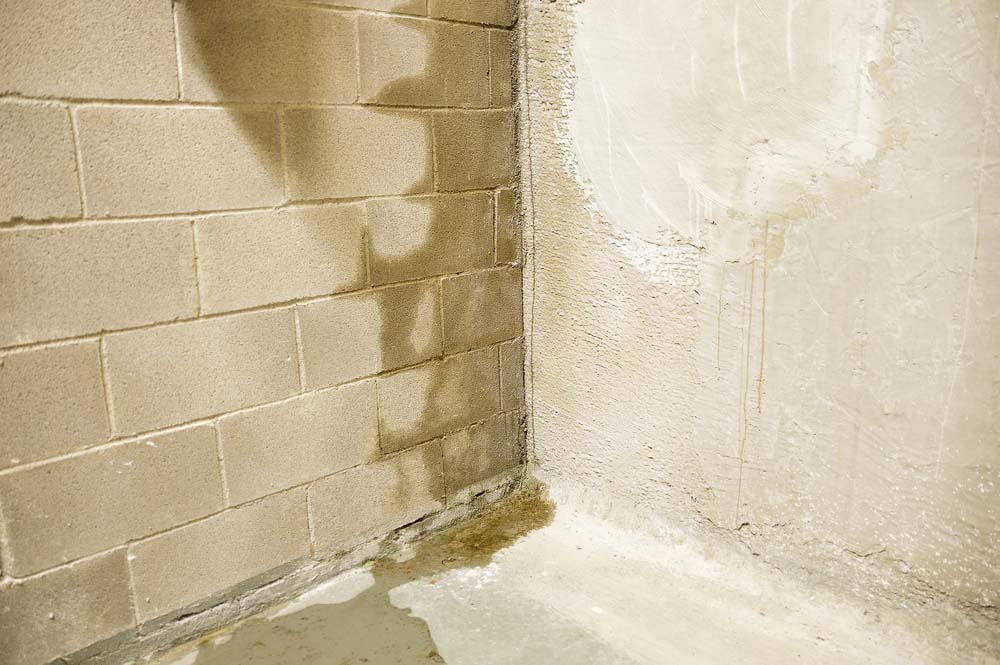
Basement moisture can have several causes, but gutters and downspouts should be part of the investigation. When runoff spills beside the house or a downspout releases water too close to the foundation, that water may collect where you don’t want it.
Even minor dampness deserves attention. Check whether the gutters overflow during rain, whether the downspouts remain connected, and where they discharge. A drainage or foundation issue may also require another qualified professional.
3. Runoff Is Eroding Your Landscaping
Channels in mulch, exposed roots, displaced soil, or washed-out areas below the roofline suggest that water is falling or spilling where it shouldn’t. Functional gutters should collect roof runoff and move it toward the downspouts instead of allowing concentrated streams to strike flower beds and soil.

First, determine whether leaves or debris are causing the overflow. If clean gutters still spill water or can’t remain properly aligned, repair or replacement may be needed. Learn more about how gutters protect a home beyond the roofline.
4. Water Pools Directly Below the Gutters
Puddles beneath the eaves often mean water is overflowing, leaking through a seam, escaping from a damaged end cap, or draining from a downspout in the wrong location. Watch the system during a safe, steady rainfall if you can do so from the ground. The location of the water can help identify whether the problem involves a clog, leak, pitch problem, or insufficient drainage capacity.
Check for a clog before assuming you need replacement
Leaves and debris can make otherwise functional gutters overflow. If the system is still firmly attached and structurally sound, proper gutter cleaning may restore normal drainage. Don’t climb onto the roof or use an unstable ladder to inspect it.
5. Exterior Paint Is Peeling or Stained Below the Roofline
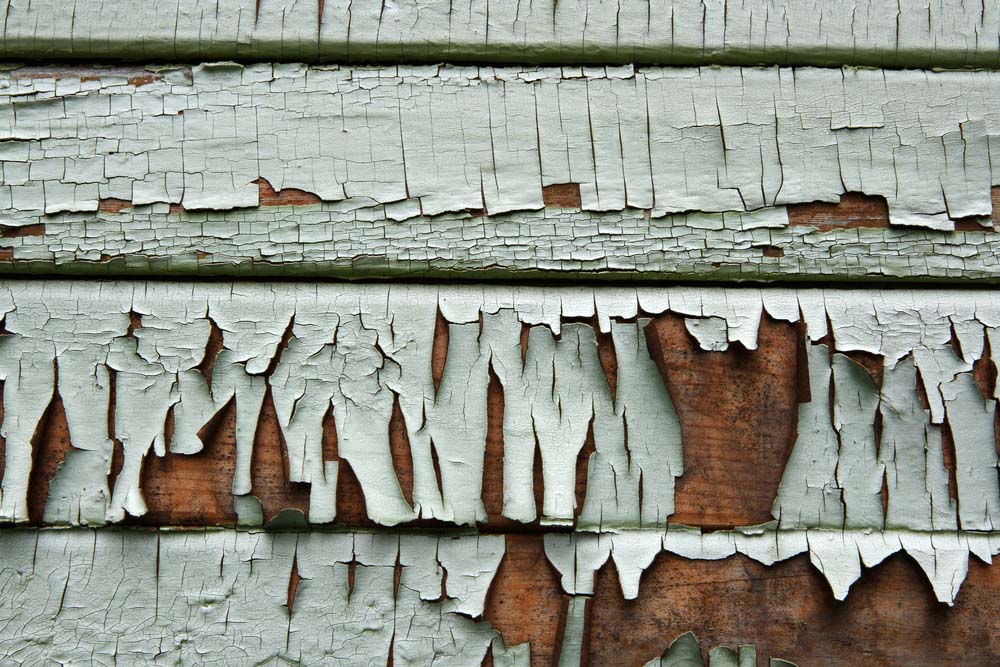
Peeling paint, water streaks, or discoloration on fascia and siding can indicate repeated moisture exposure. Overflowing gutters may send water down the exterior, while leaks behind the gutter can affect the fascia board that supports the system.
Paint failure doesn’t prove the gutters are responsible, but damage concentrated beneath the roof edge warrants a closer look. Address both the drainage problem and any wet or deteriorated building materials.
Not Sure Whether the Problem Is Localized?
When gutter problems are affecting your siding, landscaping, or drainage, Central Homes Roofing can evaluate the system and explain whether repair or replacement makes sense.
6. Fasteners Keep Falling Out
An occasional loose screw may only require a hardware repair. Repeatedly finding gutter screws, nails, or spikes on the ground is more concerning because it suggests the fasteners are no longer holding securely. The fascia behind the gutter may also be damaged, so simply replacing the visible hardware may not solve the underlying problem.
7. Sections of the Gutter Are Sagging
Gutters need a slight, consistent slope toward their downspouts. A visible low spot can hold standing water, collect debris, and add weight that pulls the system farther out of alignment. Sagging may result from loose hangers, incorrect spacing, accumulated debris, or damaged fascia.
A contractor may be able to realign a sound section and replace its hangers. Multiple sagging areas or gutters that have bent out of shape may make replacement the better long-term option.
8. The Gutters Are Pulling Away From the House
A widening gap between the gutter and fascia allows runoff to escape behind the system instead of entering it. This may expose the fascia, soffit, siding, and roof edge to repeated moisture. It can also indicate that the fasteners have failed or the wood behind them no longer provides a secure attachment point.
Don’t ignore a section that appears ready to fall. Wet debris and standing water make gutters heavy, and a loose section can detach unexpectedly.
9. Gutter Sections Are Separating
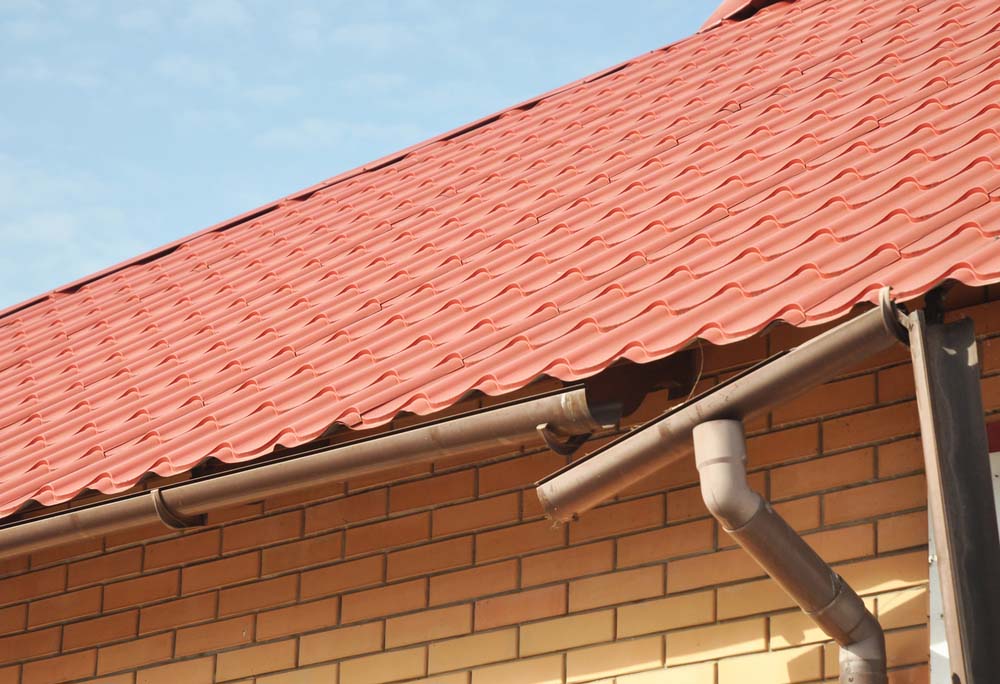
A sectional gutter system relies on secure, sealed joints. When sections pull apart, water can escape through the opening and fall beside the house. One failed joint may be resealed or reconnected if the surrounding material remains sound.
Separation at several joints suggests broader alignment, installation, or age-related problems. Repeated seam failures may also support replacing sectional gutters with a system that has fewer joints.
10. Hangers or Brackets Are Broken
Hangers and brackets support the gutter and help preserve its slope. A single damaged component may be replaceable, but multiple failures can leave long sections unsupported. Replacement may be appropriate when the gutter itself has warped, the attachment points are damaged, or new hardware can’t hold the existing system securely.
11. Cracks or Holes Appear in Multiple Areas
A small, isolated opening may respond to a properly completed repair. Our guide to fixing leaking gutters covers several common sources of gutter leaks.
Damage across multiple sections presents a different calculation. Numerous patches can require continued maintenance, and additional weak areas may develop as the material deteriorates. When cracks, holes, and leaking seams have become widespread, replacing the system may provide a more dependable result.
12. Metal Gutters Have Widespread Rust or Corrosion
Rust affects gutters made from corrosion-prone metal, especially where protective coatings have failed. Early surface corrosion doesn’t always require full replacement, but rust that has produced flaking metal, holes, weak seams, or several deteriorated areas indicates a structural problem.
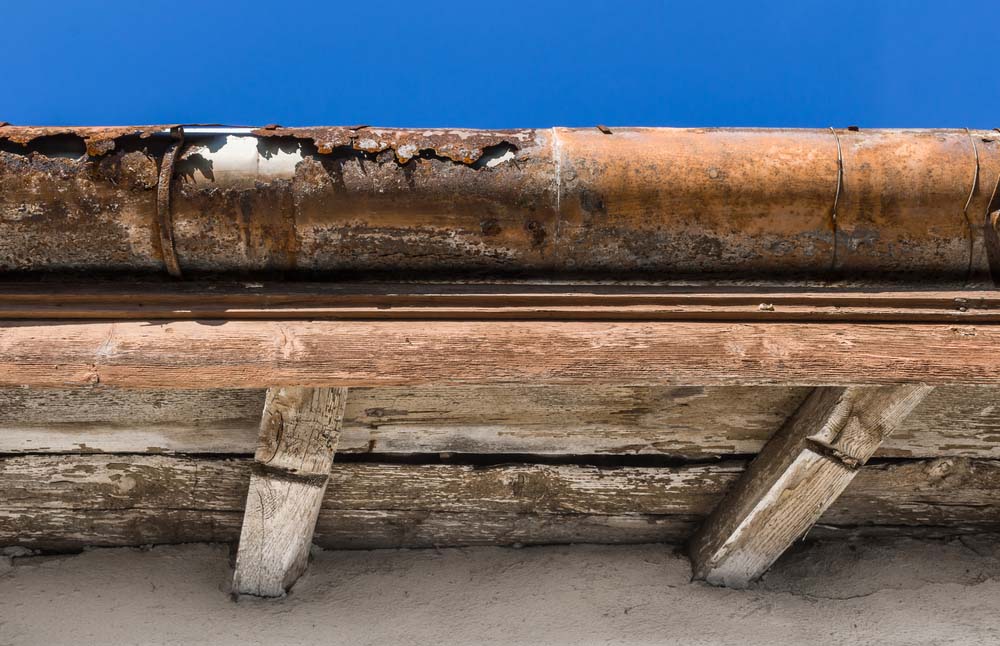
Replacing only one damaged section may work when the surrounding gutters remain solid. When corrosion appears throughout the system, continued spot repairs are unlikely to restore reliable drainage.
Should You Repair or Replace Your Gutters?
The number, severity, and recurrence of the problems matter more than any single warning sign. Use the following comparison as a starting point, not as a substitute for an inspection.
Repair may be reasonable when:
- The problem affects one small section
- The gutter material remains structurally sound
- A clog or isolated leak caused the problem
- Fasteners or sealant need a one-time correction
Replacement may be more practical when:
- Damage affects several sections
- Sagging, separation, or leaks keep returning
- Rust, cracks, or holes are widespread
- The gutters or supporting fascia can no longer hold securely
If leaves and roof debris contribute to recurring clogs, you may also want to consider whether a gutter guard fits your home and maintenance needs. Guards can reduce the amount of debris entering a system, but they don’t eliminate the need for periodic inspection and cleaning.
Protect Your Home With Reliable Drainage
Gutter problems often become visible somewhere else first: near the foundation, across the landscaping, on the siding, or along the roof edge. Addressing the cause early can help limit continued water exposure and clarify whether a focused repair or full replacement offers the better value.
Concerned About the Condition of Your Gutters?
Central Homes Roofing can assess visible damage, drainage problems, and the condition of your gutter system so you can make an informed decision.